.png)
.png)


Safety in Working at Heights: Effective Measures and Strategies

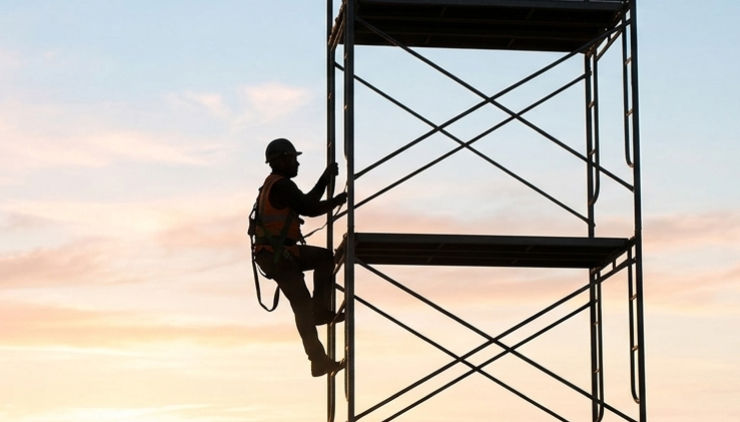
Working at heights is one of those tasks that might seem routine, but in reality, it comes with serious risks. Whether it’s construction, maintenance work, warehousing, or industrial operations, even a small mistake can lead to severe injuries or worse. That’s exactly why working at heights, proper height safety training, and strong workplace height safety practices are absolutely essential, not optional.
In this blog, let’s walk through the key safety measures, practical strategies, and why training programs like those offered by EO Sullivan Training Solutions can make a real difference. Whether you’re an employer, a supervisor, or someone working on-site, understanding these basics can truly help save lives.
What is Working at Heights?
To put it simply, “Working at Heights” means any task where there’s a chance of falling and getting injured. It doesn’t always have to be from a great height; even a few feet off the ground can be dangerous if safety measures are ignored.
For example, this includes:
Working on ladders or scaffolding
Carrying out roof repairs or maintenance
Using elevated work platforms
Operating near open edges, pits, or fragile surfaces
So, as you can see, it’s more common than people think and that’s why awareness is so important.
Why Workplace Height Safety Matters
Now, you might be wondering, why is there so much focus on height safety?
The answer is simple. Falls from height are one of the leading causes of workplace injuries across the world. The good news, however, is that most of these accidents can actually be prevented with proper height safety awareness and training.
Let’s take a closer look at some common risks:
Falls | Losing balance or slipping from elevated areas |
Falling Objects | Tools or materials dropping from above |
Equipment Failure | Ladders or scaffolding collapsing |
Weather Conditions | Wind, rain, or heat affecting stability |
Ignoring these risks doesn’t just affect safety it can also lead to legal issues, project delays, and financial losses.
Essential Safety Measures for Working at Heights
So, how can you actually reduce these risks? Let’s break it down into practical steps.
1. Start with a Proper Risk Assessment
First and foremost, always begin with a risk assessment. This helps you understand what could go wrong before the work even starts.
Identify possible hazards
Assess how serious the risks are
Plan the right safety controls
Taking a few extra minutes here can prevent major accidents later.
2. Use the Right Safety Equipment
Next, having the correct equipment is absolutely crucial.
Here are some common tools used for safety:
Equipment Type | Purpose |
Safety Harness | Keeps the worker secured and prevents falls |
Guardrails | Protects edges and open sides |
Safety Nets | Catches workers or falling objects |
Helmets | Protects against head injuries |
Non-slip Footwear | Helps maintain grip and balance |
Just as important, always check that this equipment is in good condition before use.
3. Ensure Safe Access Systems
Another key factor is how workers reach elevated areas.
Instead of taking shortcuts:
Use certified ladders and scaffolding
Make sure everything is properly installed
Avoid temporary or unstable platforms
Unsafe access is one of the most common reasons accidents happen.
4. Install Fall Protection Systems
When it comes to Working at Heights, fall protection is non-negotiable.
There are two main types:
Passive protection (like guardrails and barriers)
Active protection (such as harnesses and lifelines)
Ideally, both should be used together for maximum safety.
5. Keep an Eye on Weather Conditions
Lastly, don’t underestimate the weather. It plays a bigger role than many people realize.
Avoid working during strong winds or heavy rain
Make sure surfaces aren’t slippery
Adjust schedules when needed
Sometimes, delaying work is the safest decision you can make.
Why Height Safety Training is So Important
Even with the best equipment, safety won’t mean much without proper knowledge. That’s where Height Safety Training comes in.
Through training, workers learn how to:
Identify and manage risks
Use safety gear correctly
Follow proper procedures
Handle emergency situations
In short, training builds confidence and awareness, two things that are critical for staying safe.
Why Choose EO Sullivan Training Solutions?
If you’re considering a professional Height Safety Course, EO Sullivan Training Solutions is a name you can trust.
Their training programs are designed to be practical and easy to understand, focusing on real-life situations rather than just theory.
Here’s what makes them stand out:
Experienced trainers from the industry
Hands-on, practical sessions
Updated safety standards and practices
Certification after completion
It’s a great way to ensure your team is fully prepared and compliant.
Effective Strategies for Workplace Height Safety
Beyond basic safety steps, there are a few long-term strategies that can make a big difference.
1. Build a Safety-First Culture
Safety should not feel like a rule it should become a habit.
Encourage workers to report hazards
Hold regular safety discussions
Appreciate and reward safe behavior
When everyone is involved, safety improves naturally.
2. Conduct Regular Inspections
Routine checks help catch small issues before they turn into big problems.
Inspection Type | Frequency |
Equipment Check | Daily |
Site Inspection | Weekly |
Full Audit | Monthly |
Consistency is key here.
3. Communicate Clearly
Good communication can prevent confusion and mistakes.
Use clear signs and warnings
Give simple, direct instructions
Ensure team coordination
Even a small misunderstanding can lead to accidents.
4. Be Prepared for Emergencies
Despite all precautions, emergencies can still happen. So, it’s important to be ready.
Have a rescue plan in place.
Train workers in basic first aid.
Keep emergency contacts handy.
Preparation can save valuable time and lives.
5. Keep Learning and Improving
Safety practices are always evolving. So, it’s important to keep learning.
Regular refresher courses help improve height safety awareness and keep everyone updated with the latest standards.
Common Mistakes to Avoid
Even experienced workers sometimes make mistakes. Being aware of them is the first step to avoiding them.
Skipping safety checks
Using damaged or faulty equipment
Ignoring weather warnings
Not taking proper training
Becoming overconfident
Staying alert and careful makes all the difference.
Shared Responsibility: Employers and Employees
Safety is not just one person’s job, it's a shared responsibility.
Employers should:
Provide proper training and equipment
Set clear safety rules
Conduct regular inspections
Employees should:
Follow all safety guidelines
Use equipment properly
Report any hazards immediately
When both sides work together, the workplace becomes much safer.
Looking Ahead: The Future of Height Safety
The future of Workplace Height Safety is becoming more advanced and technology-driven.
Some exciting developments include:
Smart safety gear with built-in sensors
Drones for site inspections
Online and virtual training platforms
These innovations are making workplaces safer and more efficient.
Final Thoughts
At the end of the day, safety in working at heights is not something to overlook. With the right mix of training, equipment, and awareness, most accidents can be avoided.
Choosing a trusted provider like EO Sullivan Training Solutions for your height safety course is a smart investment not just for compliance, but for the safety of your team.
Because when it comes to working at heights, safety isn’t just important; it’s everything.
Frequently Asked Questions
Q1. What does Working at Heights mean?
It refers to any work where there is a risk of falling, such as working on ladders, roofs, or scaffolding.
Q2. Why is Height Safety Training necessary?
It helps workers understand risks, use equipment correctly, and follow safe procedures, reducing the chances of accidents.
Q3. Who should take a Height Safety Course?
Anyone working in environments where there’s a risk of falling should take this course.
Q4. What safety equipment is commonly used?
Safety harnesses, helmets, guardrails, safety nets, and non-slip footwear are commonly used.
Q5. How often should training be updated?
Ideally, training should be refreshed every year or whenever new safety procedures are introduced.
Q6. Where can I enroll in a course?
You can enroll in professional training programs offered by EO Sullivan Training Solutions through their official website.


