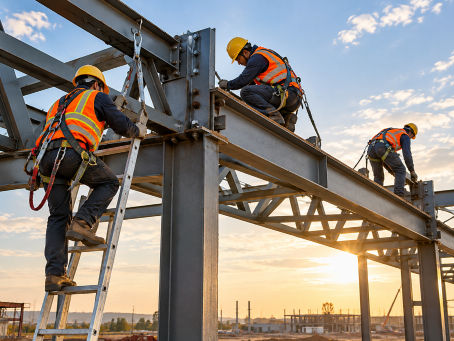
Working at Heights: A Complete Guide to Workplace Safety and Training in Ireland

Many jobs in Irish construction, maintenance, warehousing and industry require ladders, scaffolding, roofs or raised platforms. These jobs demand safety precautions for the workers. Working at heights needs planning, equipment and safety procedures to avoid falls and injuries. Workers can identify hazards, follow safety procedures, and respond to emergencies with good training.
In this guide, we explain the main risks, Irish workplace safety requirements and essential precautions. Edwin Training Solutions can be used by businesses to explore the right training options to promote safer working practices.
Table of Contents
What Does Working at Heights Mean?
Why Is Working at Heights Safety Important?
What Are the Main Safety Rules in Ireland?
What Does Working at Heights Training Cover?
How Can Employers Prevent Falls at Work?
How Can You Choose the Right Training Course?
What Does Working at Heights Mean?
Height working means any activity in a workplace where a person might be injured if they fall from one level to another. According to Ireland’s Health and Safety Authority (HSA), this can include work at, above or below ground level.
Typical examples, for instance:
• Working on ladders, scaffolding, or raised platforms.
• Repairing roofs.
• Installation of equipment at higher locations.
• Working adjacent to open excavations or fragile surfaces.
• Using mobile elevated work platforms.
A short task can be a serious risk if the equipment is inappropriate or the working area is unsafe.
Working at Heights is not just for construction sites. Maintenance workers, electricians, warehouse workers, and other skilled workers may also fall. Knowing these risks is the first step to making a safer work environment.
Why Is Working at Heights Safety Important?
Falls can lead to serious injuries, including fractures, head injuries and long-term disabilities. In serious cases, they can be fatal. Falling objects can also injure persons working below. Good working at heights safety practices help to reduce these risks by encouraging workers to identify hazards before they start a task.
For example, a worker repairing a roof should check the surface, access arrangements, weather conditions and available fall protection before starting work. Likewise, when using a ladder, the user must ensure it is fit for purpose, stable and in good condition.
Training also instructs employees on when to stop work and report unsafe conditions, rather than taking unnecessary risks. Employers can experience less disruption, compliance can be supported and a stronger safety culture can be encouraged through safer working practices.
What Are the Main Safety Rules in Ireland?
In Ireland, work at height is regulated under the Safety, Health and Welfare at Work Act 2005 and the Safety, Health and Welfare at Work (General Application) Regulations 2007 (as amended). The HSA can advise employers and self-employed people on how to handle these activities.
Main duties will include:
• Risk assessment: Identify fall hazards and means of control.
• Planning and supervision: Ensure a plan, organize and supervise work.
• Suitable equipment: Use the right ladders, scaffolding, platforms and fall protection.
• Training and competence: Provide workers with the necessary skills, knowledge and instruction.
• Emergency planning: Ensure that appropriate rescue and emergency procedures are in place before you start work.
The preferred option is to avoid working at height where it is reasonably practicable. If this is not practicable, employers should consider measures to prevent falls, such as guard rails and appropriate working platforms, before considering equipment designed only to mitigate the consequences of a fall.
Workers have responsibilities too. They must follow safety instructions, use equipment correctly and report any hazards or defects.
What Does Working at Heights Training Cover?
Good working at heights training Ireland courses help employees to understand workplace hazards and to put in place safe working practices.
Training may consist of, as determined by course and job requirements:
• Recognise hazards associated with falls and understand relevant legislation.
• Selecting appropriate access equipment and fall protection.
• Knowledge of harnesses and lanyards.
• Conduct pre-use equipment inspections.
• Correct fitting, using and storing of PPE.
• An understanding of emergency procedures and rescue arrangements.
• Reporting of accidents, incidents and unsafe conditions.
The practical instruction is especially important as workers need to know how safety procedures relate to their specific tasks. For example, a worker who uses a harness should know how to inspect the harness, wear it properly and follow the requirements of the relevant fall protection system.
Edwin Training Solutions provides working at heights training, including harness & lanyard awareness, pre use inspections, risk controls and emergency procedures. The course information consists of theory and practical assessment and is delivered live online, blended and onsite. Care has to be taken to select a program that is appropriate to the equipment, risks and responsibilities of the workplace.
How Can Employers Prevent Falls at Work?
Preventing falls requires more than providing training once. Employers should build safety checks into everyday working procedures.
The following measures can make a meaningful difference:
Assess the risks first. Identify potential hazards, including fragile roof surfaces, open edges, overhead power lines and falling objects.
Choose the right equipment. Use suitable working platforms, scaffolds or other equipment based on the task and risk assessment. Ladders should not automatically be the first choice when safer alternatives are suitable.
Inspect equipment before use. Check ladders, harnesses, lanyards and other equipment for damage or defects. Follow the manufacturer's instructions and applicable inspection requirements.
Consider weather conditions. Wind, rain and slippery surfaces can make elevated work more dangerous. Postpone work when conditions put workers at risk.
Keep the area below safe. Secure tools and materials, establish exclusion zones where needed and prevent people from entering hazardous areas.
Prepare for emergencies. A fall-arrest harness does not eliminate danger. Employers must consider how a suspended worker will be rescued promptly and safely.
Regular supervision and refresher instruction can reinforce these precautions and help workers maintain safe habits.
How Can You Choose the Right Training Course?
The correct course of action may differ depending on the work being undertaken, the equipment being used and the level of risk. Before booking a working at heights course, make sure it covers the real tasks your team will be doing. Instruction for those who use harnesses may need to be different from that used for people who mainly work from ladders or step ladders.
Review of course content, practical assessment arrangements, trainer suitability and certification details. Employers should also consider whether any specific site instruction or equipment training is required.
Edwin Training Solutions provides workplace safety training to companies in Cork and throughout Ireland. Flexible delivery options are available to suit business schedules. Completing a course does not replace the need for workplace risk assessments, supervision or use of equipment safely. Training should be part of a larger safety plan.
Final Thoughts
Working at Heights calls for careful planning, suitable equipment and workers who know how to manage fall risks. Irish safety guidance, hazard identification and suitable training can help employers make workplaces safer and protect their teams.
Edwin Training Solutions can assist businesses to find suitable training options to meet their workplace needs. Find out about working at heights training and take the next step to a safer workplace. Contact the team to discuss your needs.
Frequently Asked Questions
1. Is working at heights training in Ireland something you need?
The employer must provide workers with adequate training and instruction for their tasks and hazards. The particular training needed will depend upon the work to be done and the equipment to be used.
2. Does working at height only mean working above two meters?
No. Irish working at height regulations are not based on a universal minimum height. They are used when a fall could cause personal injury, even from relatively low heights.
3. Who needs a working at heights training course?
Workers exposed to fall risks such as construction workers, maintenance staff, roofers and other employees may need appropriate training. What is appropriate depends on their duties and equipment.
4. Is a harness sufficient to prevent falls?
No. A harness is only part of a fall protection system. Also important are correct fit, compatible equipment, suitable attachment points and a rescue plan.
5. How frequently should I update my working at heights training?
There is no one renewal interval which applies to all situations. Employers should assess training needs based on risks and any changes in work practices, equipment and the competence of workers and any relevant course certification conditions.