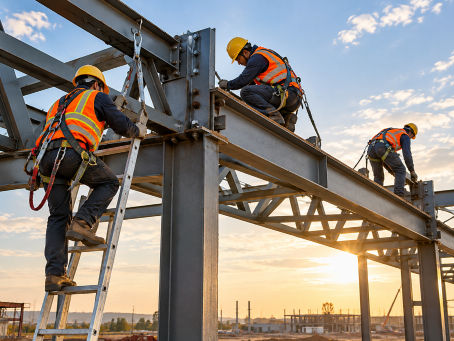
How Height Safety Tra ining Improves Workplace Safety in Cork


There is a significant risk of injury in the construction, maintenance, warehousing, and engineering industries due to falls from heights. A simple mistake when using a ladder, scaffold or rooftop access can lead to serious injury. It is important to know about safety and prepare for safety to make sure the employees are safe and a safe working environment exists. Working at Heights Training Cork helps employees to identify possible risks and learn how to avoid falls and how to use safety equipment correctly.
It also assists employers in developing safer working practices and in fulfilling their duties under Irish health and safety legislation. Whether your employees work on elevated platforms, roofs or on ladders, investing in professional safety training can reduce the risks in the workplace and increase confidence. In this guide we look at how working at heights training helps to prevent accidents and why it should be an important part of your workplace safety strategy for businesses in Cork. Edwin Training Solutions provides professional training to help businesses improve workplace safety and protect their employees.
What Is Working at Heights Training?
Working at heights training assists employees to identify, assess and manage the risks of work undertaken above or below ground level where a fall could cause injury.
The training includes practical safety knowledge including:
• Find out what causes falls at work.
• Find out about Irish work at height safety rules.
• Choosing and wearing proper personal protective equipment (PPE).
• Knowledge of lanyards and harnesses.
• Conducting pre-use inspections on equipment.
• Rescue and emergency procedures.
A good training program teaches employees what precautions to take before they start a task. It also teaches them how to identify unsafe conditions, and how to report possible risks.
For a business looking for a Working at Heights Course Cork, it should opt for training that mixes theoretical knowledge with practical assessment. This enables employees to apply what they learn in real workplace situations.
6 Ways Working at Heights Training in Cork Helps Prevent Workplace Accidents
Training is not simply about completing a course or receiving a certificate. It gives employees the knowledge and confidence to make safer decisions when working in potentially dangerous environments.
Here are six important ways it helps prevent accidents.
1. Helps Employees Identify Fall Hazards
One of the best ways to prevent accidents at work is to identify hazards before starting work. Employees working on ladders, scaffolding, roofs and elevated platforms face a range of hazards, including unstable surfaces, open edges, slippery walkways and fragile roofing materials.
Working at height safety training teaches workers how to identify these hazards and understand the possible consequences of not addressing them. For example, a roof inspector should know how to identify fragile surfaces and areas that require additional fall protection. Early identification of the hazards allows employees and supervisors to act to prevent an accident.
2. Improves the Correct Use of Safety Equipment
Just because you have safety equipment does not mean working at height is safe. Employees must know how to select it, inspect it and use it correctly. Safety harnesses, lanyards, anchor points, safety helmets and the correct access equipment are essential for protecting the workplace.
Height Safety Training Cork teaches workers about the importance of equipment inspection, proper fitting and correct use.
Employees can learn to:
• Inspect harness and lanyard before use.
• Locate equipment that is broken or misused.
• Know the importance of secure attachment points.
• Follow manufacturer's instructions.
• Report defective equipment immediately.
These practices are helpful in preventing accidents caused by misuse or failure of equipment.
3. Encourages Better Risk Assessment and Planning
All working-at-height tasks must be well planned out before the employees start on them. A risk assessment helps employers identify possible risks, assess who may be at risk and decide what control measures are needed.
Training helps employees understand why they should never rush into a task on an elevated surface without first checking the working environment. For example, workers may need to consider the weather, access arrangements, electrical hazards nearby and the stability of the working surface.
The Health and Safety Authority (HSA) recommends avoiding work at height wherever reasonably practicable and using measures that prevent falls. Better planning reduces uncertainty and helps workers do their jobs more safely.
4. Builds Awareness of Emergency and Rescue Procedures
Accidents can happen even when employees take safety precautions. Being able to respond quickly can help minimize the impact of an incident. Working at heights training covers emergency procedures such as raising the alarm, accident reporting and following established rescue arrangements.
This is especially true for workers using fall arrest harnesses. If someone falls and is left hanging, a timely and well-planned rescue response is critical. Employees should know what to do in an emergency and how to communicate with supervisors and emergency responders.
When businesses are faced with unexpected situations, having a suitable rescue plan in place helps them respond more effectively.
5. Reduces Unsafe Working Practices
Many workplace accidents occur because workers underestimate risks, use unsuitable equipment or take shortcuts to get the job done fast. Professional training helps workers to adhere to the safety procedures instead of following their assumptions and experience.
For example, employees learn about the hazards of overreaching on ladders, using damaged equipment or being near unprotected edges. A well trained workforce is more likely to recognize unsafe behavior, raise concerns and follow workplace safety instructions. Over time, these habits will help create a stronger safety culture within the organization.
6. Helps Employers Meet Irish Safety Responsibilities
In Ireland, employers have legal duties to protect employees from workplace hazards, including risks from working at height. The Safety, Health and Welfare at Work Act 2005 and the Safety,
Health and Welfare at Work (General Application) Regulations 2007 contain important requirements for safety in the workplace. These regulations impose duties on employers to ensure that work at height is properly planned, appropriately supervised and carried out in a manner which is, so far as is reasonably practicable, safe. Employees should be able to do their assigned tasks safely. Good training allows employers to show their commitment to the safety of the workplace and the wellbeing of their employees.
Who Should Attend a Working at Heights Course in Cork?
Training in work at height is relevant for employees whose duties involve the risk of falling from one level to another.
Some of the professionals who might benefit are:
•Construction site operatives and workers.
•Maintenance workers and roofers in buildings.
• Installation and electrical technicians.
• Warehouse & Industrial Employees.
• Scaffolding contractors.
• Facility management and maintenance teams.
Training should be appropriate to the particular activities, equipment and risks at each place of work.
Companies need to choose a route that matches the real duties of their employees, rather than assuming that one training program covers all types of elevated work.
What to Expect from Working at Heights Certification
Proper training allows employees to demonstrate their knowledge of the hazards of the workplace and safe working procedures. Working at Heights Certification can demonstrate that a person has completed a relevant training program and assessment. However, certification does not automatically equate to competence for every type of work-at-height activity. Employers should consider the actual job requirements, experience and the need for additional training.
Edwin Training Solutions offers a working at heights training course with the following details:
• Time: Approximately 3 hours.
• Certification: 2 years, according to the provider. Assessment: Theory test and live practical assessment
• Maximum number of participants: 12 per course or 24 per day.
• Delivery: Live online, blended and face-to-face training.
The course will examine Irish safety legislation, hazards in the workplace, PPE, harness and lanyard awareness, pre-use inspections and emergency procedures. Companies should ensure that the course content and assessment are relevant to the specific duties performed by their employees.
Why Choose Edwin Training Solutions for Working at Heights Training in Cork?
Selecting a good training provider is a key aspect in improving workplace safety. Businesses need training that is practical and relevant and flexible enough to meet their operational needs. Edwin Training Solutions provides health and safety training from their base in Midleton, Cork. The company offers training services to businesses throughout Cork and in other parts of Ireland.
Its working at heights program integrates essential safety knowledge with practical assessment to help employees understand fall hazards, equipment inspections and safer working procedures. Companies may also want to think about flexible delivery options such as live online, blended and onsite training. This can help to organize employee training without unduly disrupting the day to day running of the business.
If you're running a construction team, a maintenance department or an industrial workplace, talking to an experienced provider about your training needs can help you find a suitable program.
Final Thoughts
Equipping employees with protective equipment is just one part of preventing accidents at work. Implementing safe working procedures requires good planning, hazard identification, regular inspections and knowledge. Investing in Working at Heights Training Cork gives employees a better understanding of the risks of working at heights and helps them to make safer choices every day. It also helps employers to build a stronger workplace safety culture and to meet their responsibilities.
If you are a business wishing to improve the safety of your employees and reduce the risks of working at height, then get in touch with Edwin Training Solutions to discuss suitable training for your team.
Frequently Asked Questions
1. Do I need to have working at heights training in Ireland?
Employers must ensure that employees are competent and adequately trained to carry out work-at-height activities. The training shall be decided by the nature of the work, equipment and associated risks.
2. What is the length of a working at heights course in Cork?
Edwin Training Solutions’ working at heights course is about three hours long and includes a theory test and a practical assessment.
3. What will I learn in working at height training?
It can include fall hazards, Irish safety legislation, risk assessments, PPE, harness and lanyard awareness, equipment inspections and emergency procedures.
4. How long does the working at heights certification last?
Edwin Training Solutions says its working at heights certification is good for two years. Employers should also regularly check on workers’ competence and whether they need refresher training.
5. Can businesses arrange on-site training for working at height?
Yes. Edwin Training Solutions offers onsite training, as well as live online and blended delivery options. Businesses should contact the provider to discuss appropriate arrangements.