.png)
.png)


Key Benefits of Working at Heights Safety Training in 2026


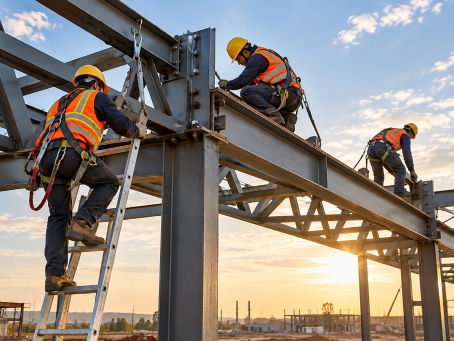
Working at heights safety training in 2026 is important because it reduces workplace accidents, ensures legal compliance, improves worker confidence, and enables employees to safely perform high-risk tasks using proper equipment and safety procedures.
In today’s evolving work environments, working at heights training has become more essential than ever. As safety regulations grow stricter and job sites become more complex, businesses must prioritize proper training. In industries such as construction, maintenance, warehousing, and telecommunications, even a small mistake at height can lead to serious consequences.
Therefore, enrolling in a certified work at height course or obtaining working at heights certification is no longer optional; it is a necessity. Additionally, programs like ladder safety training and maintenance safety training play a crucial role in improving hazard awareness, ensuring safe equipment use, and preparing workers for emergencies.
1. Reduces Workplace Accidents and Injuries
First and foremost, working at heights training significantly reduces workplace accidents by teaching workers how to identify hazards, assess risks, and follow safe procedures.
At E.O. Sullivan Training Solutions, we focus on practical, real-world working-at-heights training that prepares workers for everyday challenges. Since falls from heights remain one of the leading causes of workplace injuries, proper training becomes critical.
We train workers to:
Assess risks before starting tasks.
Use ladders, scaffolds, and elevated platforms safely.
Follow step-by-step safety procedures.
Stay alert and aware of their surroundings.
As a result, improved awareness and decision-making help prevent accidents and create safer job sites.
2. Ensures Legal Compliance and Reduces Risks
Equally important, working-at-heights certification ensures that businesses meet safety regulations and avoid penalties by providing standardized training.
In 2026, compliance requirements are stricter than ever. Without proper certification, organizations may face fines, legal issues, or even work stoppages.
With our programs, we help businesses:
Meet national and industry safety standards.
Maintain proper training documentation.
Reduce legal liabilities and risks.
Ultimately, certification protects both employees and employers while ensuring full compliance.
3. Improves Employee Confidence and Productivity
Moreover, a work-at-height course improves employee performance by building confidence and enhancing efficiency.
When workers are properly trained, they feel more secure and focused. In contrast, a lack of training often leads to hesitation and mistakes.
Through our training, workers learn to:
Use fall protection systems correctly.
Work confidently at elevated heights.
Handle tools and equipment safely.
Stay calm under pressure.
Consequently, confident workers perform better, leading to increased productivity and fewer errors.
4. Enhances Hazard Identification and Risk Awareness
In addition, maintenance safety training helps workers identify hazards early, which is key to preventing accidents.
Maintenance tasks often involve changing environments, making risk awareness essential. Trained workers can quickly identify and manage potential dangers.
We teach workers to recognize:
Weak or unstable surfaces
Faulty equipment
Weather and environmental risks
Unsafe practices
Therefore, early hazard detection creates a safer and more controlled workplace.
5. Promotes Safe Use of Equipment
Another key benefit is that ladder safety training ensures proper equipment use, which is vital for preventing injuries.
Improper ladder usage is one of the most common causes of workplace accidents. However, with proper training, these risks can be minimized.
We ensure workers:
Inspect ladders before use.
Position ladders at the correct angle.
Maintain three points of contact.
Avoid overreaching.
As a result, safe equipment handling significantly reduces accident risks.
6. Strengthens Company Reputation
Furthermore, investing in working at heights training enhances your company’s reputation. Organizations that prioritize safety are seen as more reliable and professional.
With proper training, businesses can:
Build stronger client trust.
Improve brand credibility.
Attract and retain skilled employees.
In the long run, a strong safety record supports business growth and success.
7. Reduces Costs and Operational Losses
In addition to safety benefits, training also reduces costs by preventing accidents and minimizing downtime.
Workplace incidents can lead to financial losses, delays, and compensation claims. However, proactive training helps avoid these issues.
We help businesses achieve:
Fewer workplace incidents
Lower insurance and compensation costs
Improved efficiency and productivity
Therefore, investing in training is a cost-effective decision.
8. Prepares Workers for Emergency Situations
Equally crucial, working-at-heights training prepares workers to respond effectively during emergencies.
Even with precautions, unexpected situations can occur. That’s why emergency preparedness is essential.
We train workers to:
Respond to falls and injuries.
Perform basic rescue procedures.
Communicate clearly in emergencies.
Follow safety protocols
As a result, trained workers can act quickly and reduce the severity of incidents.
9. Builds a Strong Safety Culture
Another major advantage is that training helps build a strong safety culture within the organization.
When workers understand the importance of safety, they are more likely to follow procedures and support each other.
We encourage teams to:
Follow safety guidelines consistently.
Report hazards immediately.
Take responsibility for safety.
Support coworkers
Consequently, a positive safety culture leads to fewer accidents and better teamwork.
10. Keeps Workers Updated with Industry Standards
Finally, working at heights training ensures workers stay updated with the latest industry standards and safety practices.
In 2026, safety technologies and regulations continue to evolve. Staying updated is essential for compliance and efficiency.
At E.O. Sullivan Training Solutions, we provide:
Updated safety regulations and guidelines
Training on advanced safety equipment
Modern risk management techniques
Thus, continuous learning helps maintain long-term workplace safety.
Summary
Working at heights safety training is no longer optional in 2026 it is a critical investment in your workforce and your business. From reducing accidents and ensuring compliance to improving productivity and building a strong safety culture, the benefits are clear and measurable.
At E.O. Sullivan Training Solutions, we are committed to delivering high-quality working-at-heights training, working-at-heights certification, ladder safety training, and maintenance safety training. Our goal is to help you create a safer, more confident, and more productive workplace.
Frequently Asked Questions
Q1: What is working at heights training?
Working at heights training teaches workers how to safely perform tasks at elevated levels, including risk assessment, proper equipment use, and emergency response procedures.
Q2: Who needs working-at-heights certification?
Anyone working in environments where there is a risk of falling, such as construction workers, maintenance staff, and technicians, needs certification.
Q3: How long does a work-at-height course take?
Most work at height courses can be completed in one day, although advanced or specialized training may take longer.
Q5: What is included in ladder safety training?
Ladder safety training includes ladder inspection, proper setup, safe climbing techniques, and hazard awareness to prevent accidents.
Q6: Why is maintenance safety training important?
Maintenance safety training helps workers identify risks, safely use equipment, and prevent workplace injuries during maintenance tasks.
Q7: How often should working at heights training be renewed?
Training should typically be renewed every 2–3 years, depending on local regulations and company policies.
Q8: Can working-at-heights training prevent accidents?
Yes, working at heights training significantly reduces accidents by improving hazard awareness, safety practices, and proper equipment use.